
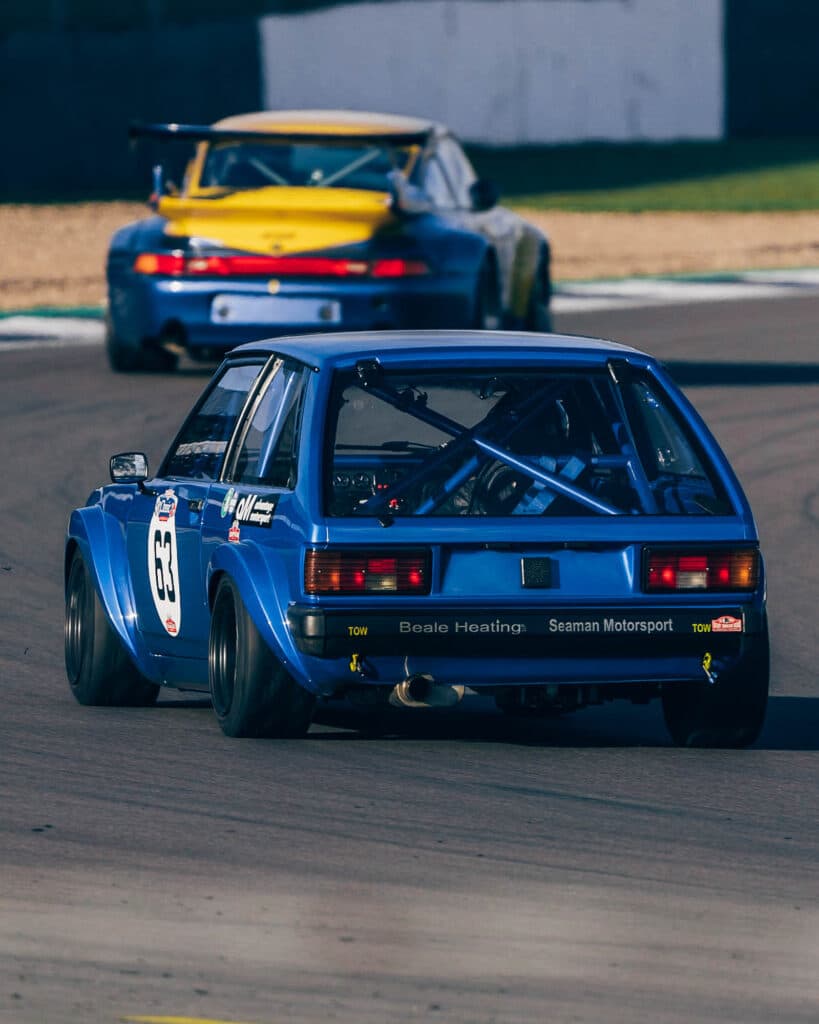
Car race photography is an exhilarating niche that requires a mix of technical expertise, artistic vision, and a deep understanding of the sport. Capturing the speed, power, and thrill of car races demands skill and preparation, but the results can be truly breathtaking. Whether you’re a beginner looking to improve your skills or a seasoned photographer seeking inspiration, these seven expert tips will help you capture stunning car race photography shots.
From mastering motion blur to choosing the right equipment, each tip will bring you closer to creating dynamic images that tell the story of the race. For professional photography services tailored to motorsports and car races, visit our event photography page.
1. Master Motion Blur for Dynamic Shots
Motion blur is a hallmark of car race photography, as it conveys the speed and energy of the race. To achieve this effect, use the panning technique. This involves following the car with your camera as it moves, keeping it sharp while blurring the background. Set your shutter speed between 1/60th and 1/125th of a second to capture motion blur effectively.
Practising panning is key to mastering it. Experiment with different shutter speeds and angles to find the balance that works best for you. This technique adds drama and movement to your car race photography shots, making them more engaging and exciting.
2. Choose the Right Equipment
Having the right gear is crucial for capturing stunning car race photography. Invest in a DSLR or mirrorless camera with fast autofocus and burst mode capabilities, which allow you to shoot multiple frames per second. Pair this with a telephoto lens, such as a 70-200mm or 100-400mm, to capture close-ups of the action from a distance.
Stabilisation is equally important. A monopod is a lightweight and portable solution for steadying your shots, especially during long races. Don’t forget extra batteries and memory cards, as car race photography often involves shooting hundreds of images in a single event.
3. Position Yourself Strategically
The location of your shots can make or break your car race photography. Scout the venue ahead of time and identify key spots, such as corners, straights, and pit lanes. These areas often offer the most dramatic and visually interesting action.
Corners are particularly good for capturing cars at slower speeds, giving you a better chance to frame your shots. Additionally, positioning yourself at eye level with the cars creates a sense of intimacy and connection with the subject. For overhead perspectives, look for elevated positions that provide a comprehensive view of the track.
4. Understand the Importance of Lighting
Lighting plays a critical role in car race photography. Races held in the early morning or late afternoon often benefit from softer, more dynamic light. However, midday sun can create harsh shadows and overexposed highlights. Use a polarising filter to reduce glare and enhance colours in bright conditions.
For night races, ensure your camera has a high ISO performance and pair it with a fast lens (e.g., f/2.8 or faster) to capture sufficient light. Understanding and adapting to different lighting scenarios will ensure your car race photography shots are consistently well-exposed and visually striking.
5. Capture the Details
While action shots dominate car race photography, don’t overlook the finer details that tell the story of the event. Close-ups of tyres, engine parts, and sponsor decals can add depth to your portfolio. Similarly, capturing the emotion of drivers, pit crews, and fans brings a human element to your work.
Detail shots provide variety and context, complementing the high-octane action shots. Look for moments of preparation, celebration, or camaraderie to create a well-rounded narrative of the race.
6. Use Continuous Autofocus
High-speed action is a defining feature of car race photography, and keeping your subject in focus can be challenging. Use your camera’s continuous autofocus (AI Servo or AF-C mode) to track moving cars. This mode continuously adjusts focus as the subject moves, ensuring sharp and clear images.
Combine this with burst mode to capture a sequence of shots, increasing your chances of getting the perfect frame. These settings are particularly useful for capturing overtakes, cornering, or cars speeding down a straight.
7. Edit and Enhance Your Photos
Post-processing is an essential step in car race photography. Use editing software to adjust exposure, contrast, and sharpness, bringing out the best in your images. Highlighting colours and reducing noise can enhance the overall quality, especially for shots taken in challenging lighting conditions.
Motion blur, panning effects, and selective sharpening can also be refined during editing. The goal is to enhance the natural elements of your photos while maintaining their authenticity. Subtle adjustments can elevate your car race photography from good to extraordinary.
Challenges in Car Race Photography
Car race photography is not without its challenges. These include:
- Speed of the Cars: High-speed vehicles leave little room for error. Timing and quick reflexes are critical.
- Weather Conditions: Races often take place in unpredictable weather. Prepare for rain, heat, or wind with weatherproof gear.
- Crowds and Barriers: Navigating crowded venues or dealing with fencing can limit your vantage points. Plan ahead to secure the best positions.
Why Choose a Professional for Car Race Photography?
While enthusiasts can capture decent images, hiring a professional photographer ensures exceptional results. Professionals have the experience, equipment, and expertise to handle the fast-paced nature of car race photography. Their work is polished, dynamic, and tailored to the specific needs of the event.
For reliable and professional car race photography services, visit F7 Visuals.
The Impact of Car Race Photography
Car race photography serves multiple purposes, from promoting events to preserving memories. It’s a powerful tool for showcasing the energy and excitement of motorsports. For event organisers, high-quality photography can attract sponsors, fans, and participants by highlighting the race’s unique appeal.
For additional inspiration and resources on photography, visit Digital Camera World and explore their expert guides.
Conclusion
Car race photography is a thrilling and rewarding field that combines technical skill with creative storytelling. By mastering techniques like motion blur, strategic positioning, and continuous autofocus, you can capture the speed and excitement of car races in stunning detail.
For professional photography services that elevate your event, explore our event photography page. Whether you’re an enthusiast or an organiser, these expert tips will help you turn every race into a visual masterpiece. Don’t just capture the race—capture the thrill.


