
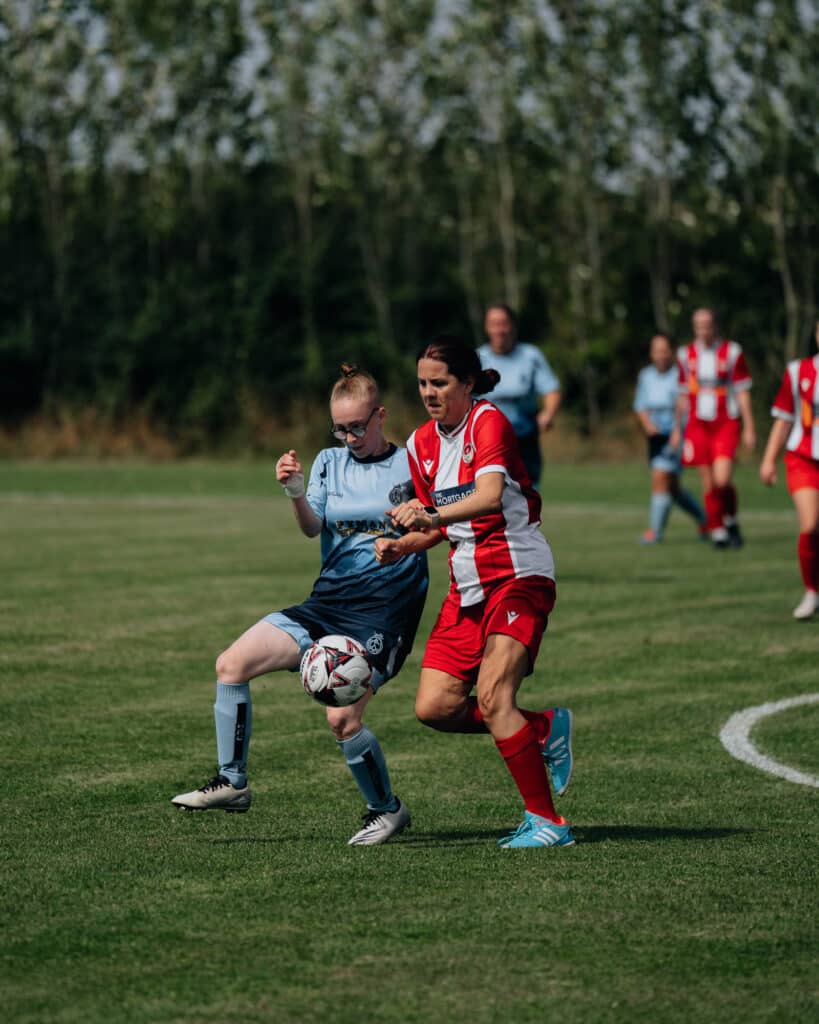
Sports photography is a thrilling and challenging genre that requires skill, precision, and the ability to anticipate the perfect moment. To successfully shoot sports, you need to master both the technical and creative aspects of capturing fast-paced action. Whether you’re photographing a football match, a tennis game, or a track event, these 7 tips will help you produce stunning sports photography.
Why Sports Photography Matters
Sports photography is about more than just capturing athletes in action. It’s about telling a story—highlighting the intensity, emotion, and movement that make sports so captivating. By learning how to shoot sports effectively, you can create images that resonate with fans, athletes, and clients alike. For expert sports photography services, visit our page on sports photography.
1. Use the Right Equipment
To shoot sports successfully, you need the right gear. A DSLR or mirrorless camera with a fast shutter speed is essential for freezing motion. Equip yourself with lenses suited to different scenarios:
- Telephoto Lenses: Ideal for capturing distant action.
- Wide-Angle Lenses: Great for environmental shots or capturing the full field of play.
- Prime Lenses: Provide excellent low-light performance.
Ensure your camera has a high burst rate to capture multiple frames per second, allowing you to capture the decisive moment.
2. Understand the Sport
Every sport has its unique rhythm, rules, and key moments. To effectively shoot sports, take the time to learn about the game you’re photographing. Anticipating where the action will happen enables you to position yourself strategically and capture the peak of the action. Understanding the sport also helps you convey its story more effectively.
3. Master Your Camera Settings
Sports photography demands quick reflexes and precise settings. To shoot sports like a pro, set your camera for action:
- Shutter Speed: Use a fast shutter speed (1/1000 or faster) to freeze motion.
- Aperture: Use a wide aperture (f/2.8 to f/5.6) to isolate the subject and blur the background.
- ISO: Adjust ISO based on lighting conditions to maintain proper exposure without introducing noise.
- Focus Mode: Use continuous autofocus (AI Servo or AF-C) to track moving subjects.
These settings ensure your shots are sharp, clear, and visually impactful.
4. Position Yourself Strategically
The best vantage point is crucial when you shoot sports. Arrive early to scout the venue and find locations that offer clear views of the action. Position yourself where the most significant moments are likely to occur—near the goal, finish line, or track bends. Move around if possible to capture diverse angles and perspectives.
5. Anticipate the Action
Great sports photography isn’t about reacting; it’s about anticipating. Pay attention to the players, their movements, and the flow of the game. By predicting where the action will unfold, you can position yourself and your camera to capture the perfect moment. Anticipation is one of the most critical skills to develop when you shoot sports.
6. Focus on Emotion and Detail
While action shots are a staple of sports photography, don’t forget to capture the human side of the game. Focus on emotions—victory celebrations, moments of despair, and the intense concentration of athletes. Highlighting details such as a determined expression or a mud-covered uniform adds depth and storytelling to your work. These moments often resonate deeply with viewers.
7. Edit for Impact
Post-processing is the final step in creating stunning sports photography. When you shoot sports, editing can enhance the mood and intensity of your shots:
- Adjust exposure and contrast to make images pop.
- Crop strategically to focus on the subject.
- Remove distractions for a cleaner composition.
Use editing software like Adobe Lightroom or Photoshop to fine-tune your images, but avoid over-editing. Authenticity is key to creating powerful sports photography.
Benefits of Learning to Shoot Sports
Mastering the art of sports photography offers numerous advantages:
- Capture Dynamic Moments: Freeze time and create dramatic images of athletic feats.
- Build a Unique Portfolio: A strong sports portfolio can open doors to new opportunities.
- Enhance Storytelling Skills: Showcase the narrative of the game through your lens.
- Engage with Audiences: Sports photography resonates with fans, players, and teams alike.
For additional resources on improving your photography skills, visit Digital Photography School.
Common Challenges and How to Overcome Them
Shooting sports isn’t without its challenges. Here are some common issues and how to address them:
- Low-Light Conditions: Use fast lenses and increase ISO to maintain proper exposure.
- Fast-Moving Subjects: Practice panning and use continuous autofocus to keep up with the action.
- Unpredictable Weather: Carry weather-resistant gear and protective covers for your equipment.
Overcoming these challenges requires patience, practice, and adaptability.
When to Hire a Professional Sports Photographer
While many people attempt to shoot sports themselves, hiring a professional photographer ensures superior results. Professionals bring expertise, equipment, and the ability to capture moments you might miss. If you’re organising a sports event and want high-quality images, consider hiring a professional. For expert sports photography services, visit our page on sports photography.
Conclusion
Shooting sports is an art that combines technical skill, creativity, and a deep understanding of the game. By following these 7 tips, you can learn to shoot sports like a pro and create stunning action shots that capture the spirit of the game.
Whether you’re a beginner looking to improve or a seasoned photographer aiming to refine your skills, mastering sports photography will open new opportunities and help you stand out in the competitive world of photography. Start practising today and take your sports photography to the next level!


